
Flexible Energy Approaches Help Changing Operations Maintain Reliable Performance Every Season

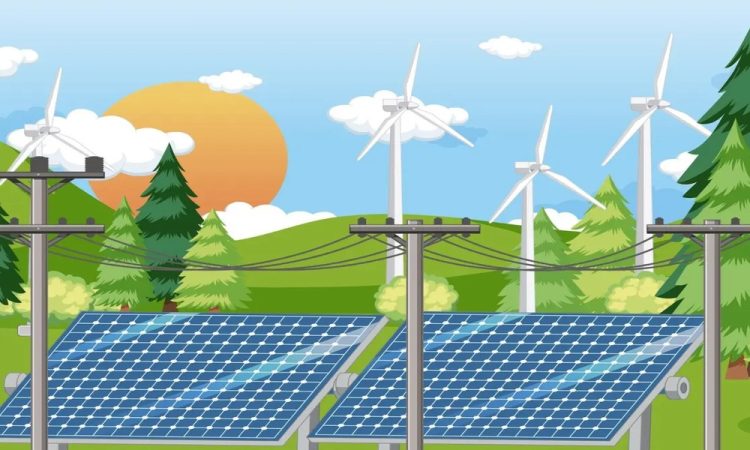
Power demand rarely remains constant across industrial operations. Production schedules change, equipment is added, maintenance periods interrupt normal activity and operating loads rise or fall throughout the day.
This operating environment has increased interest in hybrid power generation, where different energy sources work together rather than relying on a single technology. It is to manage changing electrical demand while improving overall system performance through coordinated operation.
Electrical Demand Is Rarely Static
Many facilities experience significant variation in power requirements. Production may increase during one shift and reduce during another. Temporary equipment may be introduced during maintenance work.
Expansion projects often create additional electrical demand before permanent infrastructure is upgraded.
These variations affect how power systems perform over time. Designing around average demand alone may overlook periods where operating conditions differ substantially from normal daily activity.
Understanding load variation therefore becomes one of the first steps in planning a hybrid energy solution.
Different Energy Sources Perform Different Functions
Hybrid systems combine more than one source of electrical generation. Each source contributes according to operating conditions rather than providing identical output throughout the day.
Generation technologies may support:
- Base electrical demand.
- Peak load requirements.
- Temporary operating increases.
- Fuel efficiency improvements.
- Backup generation.
- Renewable energy integration.
The objective is coordinated operation instead of independent power production. Control systems continuously determine how available resources should respond as demand changes.
Load Management Becomes Part Of Everyday Operation
- Producing electricity is only one part of system performance. Managing electrical load is equally important. When demand increases suddenly, additional generation capacity may be required.
- During lower demand periods, operating every available generator may reduce efficiency unnecessarily.
- Load management allows available resources to respond according to changing operating conditions rather than maintaining identical output throughout the entire day.
- This approach supports more consistent system performance while improving the utilisation of available generation assets.
Control Systems Connect Individual Components
- Hybrid power generation depends on coordination. Generation equipment, storage systems, monitoring devices and electrical distribution operate as one connected system rather than as separate pieces of infrastructure.
- Control technology monitors operating conditions continuously. Generation output is adjusted according to electrical demand. Equipment status is monitored.
- System response changes automatically as operating conditions develop.
Without coordinated control, individual generation assets may operate effectively on their own while delivering lower overall system performance when combined.
| System Component | Primary Operational Function |
|---|---|
| Generation equipment | Produce electrical power |
| Energy storage | Support changing demand |
| Control systems | Coordinate system operation |
| Monitoring platforms | Track operating performance |
| Distribution equipment | Deliver power to connected loads |
Expansion Does Not Always Require Complete Replacement
Industrial facilities continue changing after initial construction. Additional production lines may be installed. Temporary project infrastructure may increase electrical demand.
Remote operating areas may require independent power. These developments do not always require replacing an existing energy system.
Hybrid solutions can often be expanded by integrating additional generation or storage while maintaining existing infrastructure where appropriate.
Planning for future expansion during initial system design provides greater flexibility as operational requirements develop.
Operational Information Supports Better Decisions
Performance data becomes increasingly valuable after a system enters service.
- Electrical demand profiles.
- Fuel consumption.
- Operating hours.
- Load variation.
- Generation efficiency.
Viewed independently, each measurement provides limited information. Viewed together, they describe how the system responds under actual operating conditions instead of theoretical design assumptions.
This information supports maintenance planning, future expansion and ongoing operational improvement.
System Performance Depends On Balance Rather Than Capacity Alone
Electrical capacity remains an important design consideration. Capacity alone does not determine overall system performance.
Generation flexibility, control response, load management and integration between system components all influence how effectively available energy resources are used throughout daily operation.
For that reason, hybrid power generation is generally approached as a coordinated operating strategy rather than the installation of additional generation equipment.