

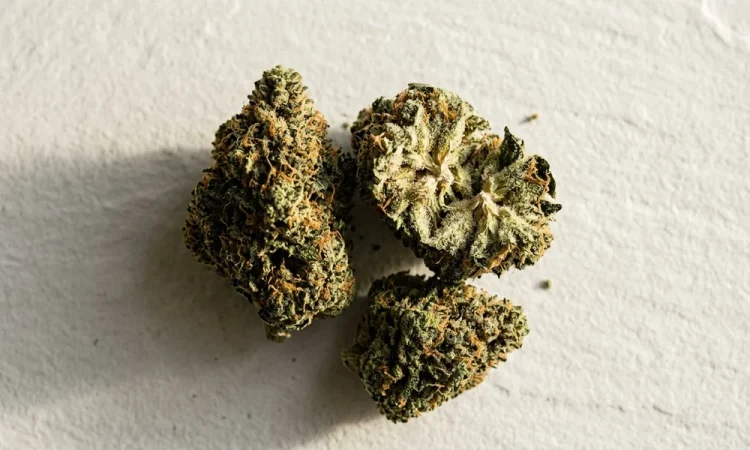

Cultivation conditions affect THCA flower cannabinoid levels by directly influencing resin production during the flowering phase and how completely cannabinoids develop within trichome structures before harvest. Buyers sourcing the best thca flower near me from local or regional producers should request cultivation documentation alongside laboratory results to confirm that growing conditions meet the standards required for full cannabinoid development throughout the production cycle. Light intensity, nutrient delivery, temperature, humidity, and harvest timing each contribute independently to the final THCA concentration measured in laboratory testing on the finished flower.
Light intensity output
Light intensity during the flowering phase directly determines trichome development rate and total resin volume produced across the plant canopy. Plants receiving insufficient light intensity during flowering produce fewer trichomes per square centimetre of bud surface, reducing the total cannabinoid volume available in the finished flower regardless of all other cultivation inputs applied during the same growth cycle. High-intensity discharge lighting or full-spectrum LED systems calibrated to the cultivar’s specific light requirement during flowering produce measurably higher trichome density compared to lower-intensity alternatives available to producers.
Nutrient delivery schedule
Nutrient delivery accounting for the plant’s shifting requirements across the flowering cycle sustains cannabinoid synthesis at the rate the genetics support through to the point of peak trichome development before harvest timing confirmation by the producer.
- Phosphorus deficiency during flowering – reduced trichome enzyme activity, lower THCA synthesis rate across the bud surface throughout the production cycle
- Potassium deficiency in late flowering – compromised resin gland development, reduced cannabinoid concentration in the finished flower at harvest
- Excess nitrogen in the late stage – vegetative energy redirection, reducing resin production rate below the cultivar’s documented genetic potential
- Balanced late-flowering feed schedule – sustains full THCA synthesis within trichome glands through to the point of harvest timing confirmation by the grower
Temperature humidity range
Temperature maintained between 20 and 26 degrees Celsius during flowering supports terpene and cannabinoid production without the trichome stress occurring at temperatures above 28 degrees Celsius sustained over multiple days during the production cycle. Elevated temperatures above this range cause terpene evaporation and trichome degradation before harvest, reducing both the aromatic profile and total cannabinoid concentration measured in post-harvest laboratory testing on the finished flower. Relative humidity between 40 and 50 per cent during the flowering phase reduces mould risk while maintaining plant transpiration rates supporting nutrient uptake and cannabinoid synthesis throughout the cycle from early to late flowering stages. Humidity above 60 percent during late flowering creates conditions compromising both structural integrity of the bud and the safety profile confirmed through contaminant screening at the laboratory after harvest and curing complete for that production lot.
Harvest timing precision
Harvest timing precision determines whether THCA concentration in the finished flower reaches its genetic ceiling or falls short due to premature cutting before full cannabinoid development completes within trichome structures across the canopy. Trichome colour observed under magnification provides the most reliable harvest timing indicator, with clear trichomes indicating underdeveloped cannabinoid content and amber colouration signalling the onset of THCA conversion that reduces total potency in the finished flower measurably. Producers who harvest based on trichome observation rather than fixed calendar schedules deliver more consistent potency figures across harvests from the same cultivar compared to operations using standardised flowering durations regardless of actual development status at the time of cutting.
Cultivation conditions determine how closely finished THCA flower approaches its genetic cannabinoid ceiling across every production cycle managed by the grower. Light management, nutrient scheduling, environmental control, and harvest timing each contribute measurably to the final potency figures buyers verify against batch-matched laboratory results at the point of purchase.