

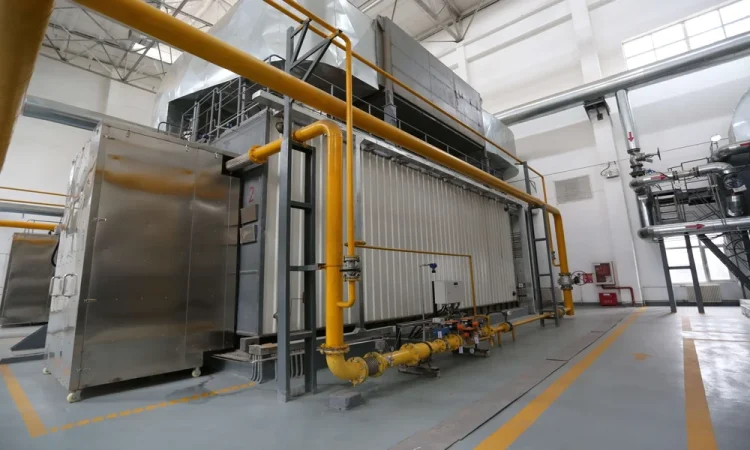
Heating is an essential part of running many commercial properties, from offices and retail premises to workshops and larger business facilities. However, when a boiler has been in service for many years, its performance may decline, maintenance demands can increase, and energy consumption may become harder to manage. These changes can affect operating expenses, particularly when the heating system runs for extended periods during colder weather.
For businesses considering commercial boiler installation in Hunterdon County, NJ, understanding the limitations of older equipment is an important first step. Although a higher energy bill does not automatically mean a boiler needs replacing, examining its efficiency, condition and suitability for the building can help decision-makers determine whether repairs, maintenance or a new system would be the most practical option.
How Older Boilers Can Affect Energy Consumption
Boilers can lose efficiency over time because of component wear, internal deposits, poor combustion or neglected maintenance. When equipment cannot transfer heat effectively, it may require more fuel to deliver the same level of warmth. The effect depends on the boiler’s design, operating condition, maintenance history and how frequently the building requires heating.
Older models may also lack some of the efficiency features available in newer equipment. However, age alone is not enough to determine performance. Reviewing energy bills alongside operating patterns and a professional assessment can help establish whether the boiler is consuming more energy than expected and identify the likely reasons.
Warning Signs Your Commercial Boiler Needs Attention
A noticeable increase in heating costs can be one indication of a developing problem, particularly when energy prices, occupancy and operating hours have remained relatively stable. Other warning signs include uneven heating, longer warm-up periods, frequent breakdowns and unusual noises. These symptoms may point to maintenance issues, failing components or a system that no longer meets the building’s requirements.
Businesses should also pay attention to repeated repair visits and difficulty maintaining consistent indoor temperatures. Before deciding on a replacement, a qualified heating engineer can inspect the boiler, controls and distribution system to identify the cause. This assessment helps distinguish between faults that can be corrected and problems that may make replacement a more reasonable long-term investment.
When Replacement May Be More Practical Than Repairs
Repairing an existing boiler can be sensible when the fault is limited, replacement parts are available and the equipment continues to operate reliably. However, repeated failures, increasing repair costs and declining performance may justify comparing the cost of continued maintenance with the investment required for new equipment. The decision should account for both immediate expenditure and expected future operating needs.
For businesses evaluating commercial boiler installation in Hunterdon County, NJ, the assessment should consider the property’s heating demand, current system condition and anticipated operating schedule. A replacement may offer improved efficiency or better control, but potential savings depend on the equipment selected, installation quality, fuel costs and actual usage. Comparing written quotations and realistic operating estimates can support a more informed decision.
Choosing the Right Boiler for a Commercial Property
Commercial buildings have different heating requirements depending on their size, occupancy, layout and activities. A boiler suitable for a small office may not provide sufficient capacity for a large facility with multiple heating zones or significant hot-water demand. Selecting equipment without assessing these factors can lead to inefficient operation and inconsistent comfort.
A professional assessment should establish the building’s heat demand and examine the existing pipework, controls, ventilation and fuel supply. Businesses should also consider the following factors when comparing suitable options:
- Heating capacity: Choose equipment based on the building’s calculated requirements.
- Energy efficiency: Compare recognised efficiency information for the proposed models.
- Controls: Consider whether suitable zoning and temperature controls could reduce unnecessary heating.
- Maintenance access: Ensure the equipment can be inspected and serviced appropriately.
- Installation requirements: Account for necessary changes to pipework, ventilation, electrical connections and other infrastructure.
These considerations help businesses compare systems based on practical performance rather than purchase price alone.
The Role of Maintenance in Controlling Heating Costs
Regular maintenance can help a boiler operate safely and identify problems before they cause more significant disruption. Depending on the equipment, servicing may involve inspecting controls, checking combustion, examining safety devices and assessing the condition of relevant components. Following the manufacturer’s instructions and applicable local requirements is essential, particularly for fuel-burning systems.
Businesses should also review their heating schedules and settings. Heating unoccupied areas unnecessarily, using unsuitable temperature settings or failing to maintain controls can increase energy use regardless of the boiler’s age. Combining appropriate maintenance with sensible operating practices may improve performance, although persistent inefficiency or recurring faults still require professional investigation.
Key Takeaways
An outdated commercial boiler can contribute to higher energy costs, but the cause may also involve maintenance problems, inefficient controls, unsuitable system capacity or changes in building use. Examining energy bills, repair history and heating performance provides a useful starting point for understanding whether the existing equipment remains suitable.
Before committing to another repair or investing in replacement equipment, arrange a professional assessment and compare the available options. A well-matched, properly installed and regularly maintained boiler can support reliable heating and more effective energy management. The best decision is one based on the building’s actual needs, the system’s condition and realistic long-term costs.


