

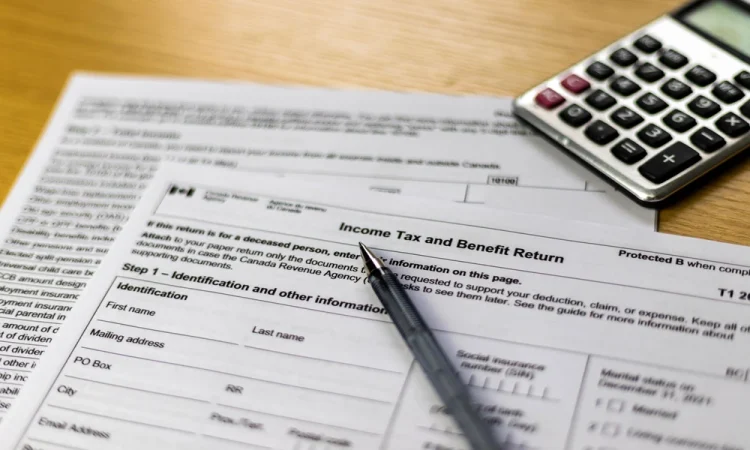
Managing financial obligations in another country can be challenging, especially when tax rules, reporting requirements, property income, investments, and residency status are involved. For non-residents with financial interests in Canada, even relatively simple situations can become more complicated because the rules may differ from those that apply to Canadian residents.
Professional accounting support can help non-residents organize records, understand filing responsibilities, and reduce the risk of overlooking important financial details. Individuals who receive Canadian-source income, own property, invest in Canada, or maintain other financial connections may benefit from specialized guidance. People looking for assistance in this area may consider Accotax accounting for non residents when they need help managing accounting and tax matters connected to Canada.
Why Accounting for Non-Residents Can Be More Complex
Non-resident accounting often involves more than simply preparing an annual tax return. A person may live outside Canada but still receive income from Canadian sources. That can create additional recordkeeping and reporting considerations.
Common situations may involve:
- Canadian rental property
- Investment income
- Employment or business income connected to Canada
- Property sales
- Canadian pension or retirement income
- Cross-border business activity
- Withholding taxes
- Other Canadian-source income
Each type of income may be treated differently. Residency status can also affect what needs to be reported and how certain obligations are handled.
Because of this, non-residents often benefit from working with professionals who understand the importance of accurate classification and documentation.
Why Residency Status Matters for Tax Purposes
One of the first issues in non-resident taxation is determining the individual’s residency position for tax purposes.
Tax residency does not always depend only on citizenship or where someone holds a passport. Other factors may also be relevant, including where the individual normally lives and what residential ties they maintain.
This can become especially important when someone has recently moved into or out of Canada.
A person who assumes they are automatically a non-resident simply because they are living abroad may misunderstand their reporting responsibilities. Similarly, someone who continues to maintain financial connections with Canada may need to consider whether those connections affect their situation.
Professional guidance can help individuals review the facts carefully before preparing financial or tax documents.
How Canadian Rental Property Can Affect Non-Residents
Rental property is one of the most common reasons non-residents may need accounting support in Canada.
Owning a property while living abroad can create several administrative responsibilities. The owner needs to keep accurate records of rental income and expenses while also considering any applicable withholding and reporting requirements.
Useful rental property records may include:
- Rent collected
- Property management fees
- Insurance costs
- Repair and maintenance expenses
- Property taxes
- Certain utility costs
- Professional fees
- Mortgage-related records
- Other property expenses
Maintaining clear documentation makes it much easier to prepare accurate financial information.
Property owners should also keep personal spending separate from rental-related transactions. This helps reduce confusion and makes accounting records more reliable.
Why Withholding Tax Needs Careful Attention
Certain payments made to non-residents may be subject to withholding requirements.
This is an area where mistakes can create unnecessary complications because the person receiving the income may assume that the payer has handled everything automatically.
In reality, the amount withheld and the reporting process may depend on the type of income and the person’s circumstances.
Good accounting support can help non-residents understand:
- Which income may be subject to withholding
- What records should be retained
- Whether additional filing may be required
- How income and deductions should be documented
This can make the overall process more organized and reduce last-minute uncertainty.
Why Accurate Recordkeeping Is Essential
Non-residents often manage Canadian finances from another country, which makes organization especially important.
It can be harder to locate old receipts, bank records, property documents, and tax correspondence when several years of information are spread across different locations.
A good recordkeeping system should include secure digital copies of important documents.
Possible categories include:
Income Records
Keep documents related to rent, investments, pensions, employment, or business income.
Property Records
Store purchase information, legal documents, maintenance expenses, and property management statements.
Expense Records
Keep receipts and invoices related to Canadian income-producing activities.
Tax Correspondence
Save notices, assessments, letters, and other tax-related communications.
Banking Information
Maintain statements that help support recorded transactions.
Organized records are useful not only for tax preparation but also for future property sales, audits, or financial reviews.
How Accounting Support Helps Non-Resident Landlords
Managing a rental property from another country can be difficult.
A non-resident landlord may rely on property managers, contractors, accountants, and other professionals to keep the property operating properly.
Accounting support can help organize the financial side by tracking income and reviewing property-related expenses.
This may provide a clearer view of:
- Gross rental income
- Operating costs
- Property management expenses
- Maintenance trends
- Net rental performance
- Documentation needed for tax preparation
Keeping these records current can also make communication with other professionals much easier.
What Happens When a Non-Resident Sells Canadian Property?
Selling property in Canada may create additional tax and documentation requirements for a non-resident.
Because property transactions can involve significant amounts of money, accurate records are particularly important.
Useful documents may include:
- Original purchase documents
- Legal fees
- Improvement costs
- Sale documents
- Real estate fees
- Other transaction-related expenses
These records may help establish the financial history of the property.
Non-residents considering a sale should ideally review the accounting and tax implications before the transaction is completed rather than waiting until afterward.
Early preparation provides more time to gather documentation and understand what may be required.
How Cross-Border Business Activity Can Create Complexity
Non-residents who conduct business in Canada may face additional accounting responsibilities.
The exact situation depends on how the business operates, where activities occur, and how income is earned.
Possible areas requiring attention include:
- Business revenue
- Canadian customers
- Contractor payments
- Business expenses
- Banking activity
- Tax filings
- Cross-border transactions
- Financial reporting
Accurate bookkeeping is especially important when business activity occurs in more than one country.
Separating Canadian-related income and expenses can make financial reporting clearer and easier to review.
Why Professional Accounting Can Reduce Errors
Cross-border financial situations often involve unfamiliar terminology and procedures.
Common mistakes may include:
- Missing income records
- Incorrectly categorizing expenses
- Failing to retain supporting documents
- Misunderstanding residency status
- Overlooking withholding obligations
- Waiting too long to address property transactions
- Mixing personal and Canadian business finances
Professional accounting support can help identify gaps before documents are filed.
This does not remove the need for accurate information from the client, but it creates a more structured review process.
How Non-Residents Can Prepare for Tax Season
Good preparation can make annual filing much easier.
Non-residents may want to gather:
- Canadian income statements
- Rental income records
- Property management statements
- Investment information
- Expense receipts
- Bank records
- Previous tax documents
- Property purchase or sale records
- Relevant correspondence
- Identification and residency information
Keeping these documents organized throughout the year is much easier than trying to reconstruct everything close to a deadline.
Why Tax Treaties May Matter
Canada has tax treaties with many countries, and these agreements can affect certain cross-border tax situations.
Treaties may influence how some types of income are treated or help address situations where more than one country has a tax connection to the same income.
However, treaty rules can be technical and depend heavily on individual circumstances.
Non-residents should avoid assuming that a treaty automatically removes Canadian tax obligations.
Professional advice can help determine whether treaty provisions may be relevant to a particular situation.
What to Look for in an Accountant for Non-Resident Matters
Not every accounting situation requires the same level of expertise.
Non-residents may benefit from a provider who is familiar with cross-border and Canadian non-resident issues.
Important qualities may include:
Experience With Non-Resident Situations
The accountant should understand common issues involving Canadian-source income and property.
Clear Communication
Cross-border tax matters can be confusing, so explanations should be easy to understand.
Strong Recordkeeping Processes
Documentation is especially important when the client lives outside Canada.
Attention to Deadlines
Some non-resident situations may involve specific filing or transaction-related timelines.
Ability to Coordinate Complex Information
Property, business, investment, and personal tax information may all need to be reviewed together.
Why Planning Ahead Is Better Than Reacting Later
Many non-resident tax problems become more difficult when they are addressed only after a transaction has already occurred.
For example, selling a property, changing residency, or beginning Canadian rental activity can all create new financial considerations.
Planning ahead gives individuals time to:
This can reduce stress and make the accounting process much more manageable.
Final Thoughts
Accounting for non-residents requires careful organization because Canadian income, property, investments, and cross-border activity can create additional reporting and tax considerations. The complexity often comes from the interaction between residency status, income type, documentation, and applicable Canadian rules.
Professional accounting support can help non-residents maintain clearer records, prepare financial information accurately, and understand which areas may require closer attention. By keeping documents organized and seeking guidance before major financial transactions, individuals can manage their Canadian financial responsibilities with greater confidence and fewer last-minute complications.